


Benefits of Dry Food: Latest Updates & Full Details
What is Dry Food?
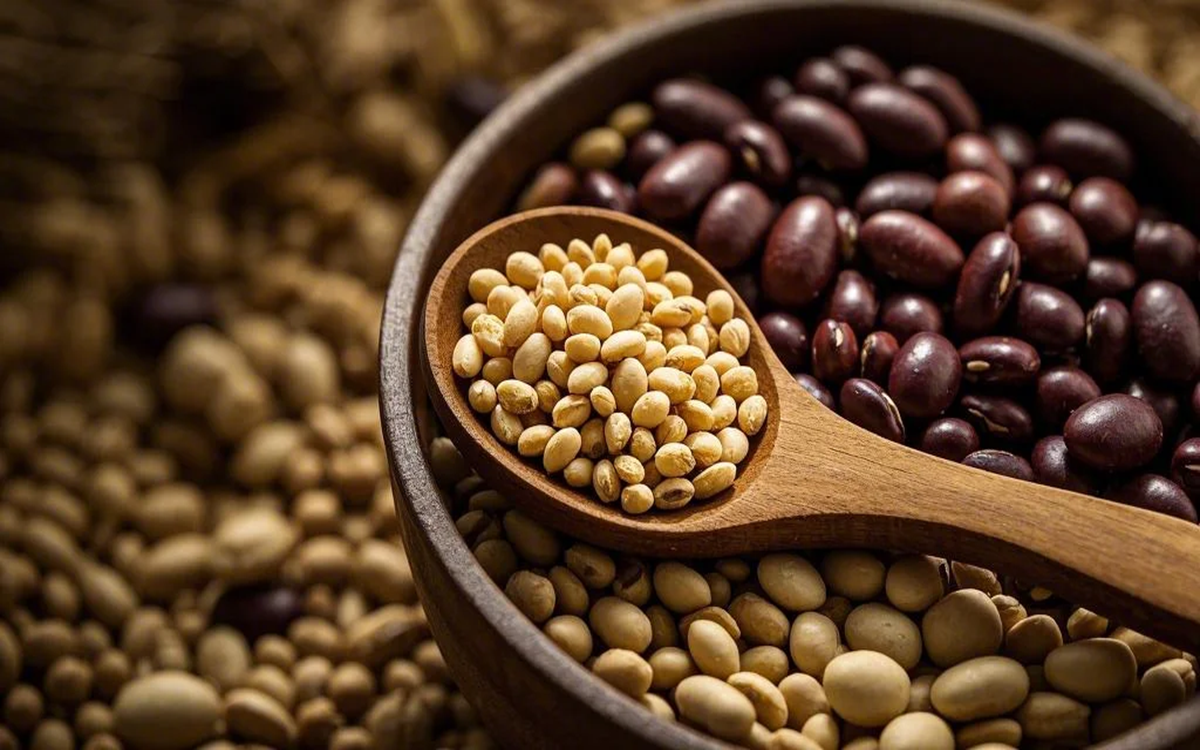
Dry food refers to food items with minimal moisture content. These include cereals, nuts, dried fruits, and packaged foods. The dehydration process helps preserve nutrients and extends shelf life.
Advantages of Dry Food
1. Long Shelf Life
One of the main benefits of dry food is its extended shelf life. Due to its low moisture content, it remains fresh for longer periods without refrigeration.
2. Nutrient Preservation
Dry food retains essential nutrients like fiber, proteins, and vitamins. Proper storage ensures that these nutrients stay intact for consumption.
3. Easy Storage and Portability
Dry food is lightweight and easy to store. It does not require refrigeration, making it a great option for travel, emergencies, and long-term storage.
4. Cost-Effective
Dry food is often more affordable than fresh alternatives. Buying in bulk reduces overall expenses while maintaining nutritional value.
5. Reduced Food Waste
Since dry food lasts longer, it minimizes food wastage. This helps reduce environmental impact and promotes sustainable living.
Types of Dry Food and Their Benefits
1. Cereals and Grains
Cereals like rice, oats, and quinoa are staple foods worldwide. They provide essential carbohydrates, fiber, and minerals.
2. Dried Fruits
Dried fruits like raisins, apricots, and dates are rich in fiber, antioxidants, and vitamins. They are an excellent alternative to sugary snacks.
3. Nuts and Seeds
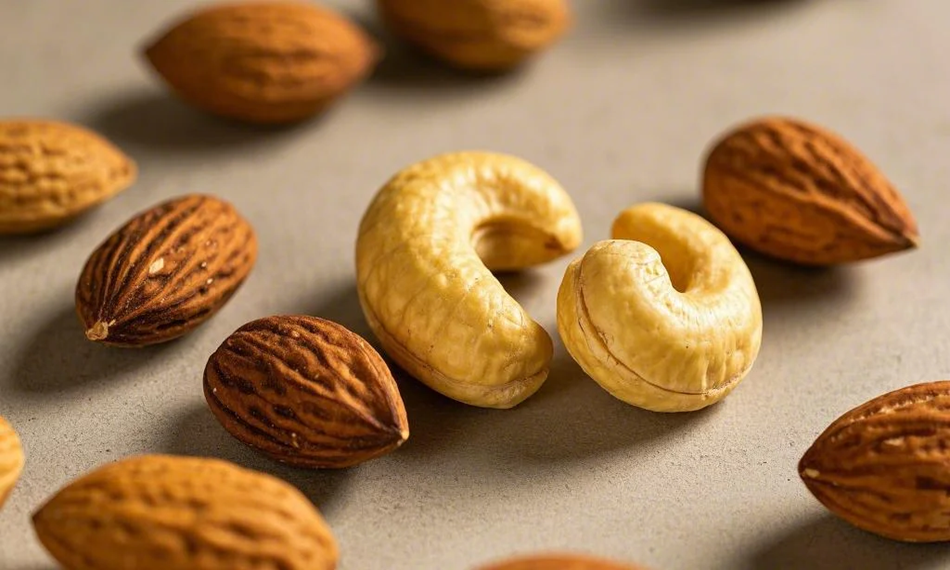
Nuts and seeds like almonds, walnuts, and chia seeds contain healthy fats, proteins, and omega-3 fatty acids, supporting heart health.
4. Powdered Milk and Dairy Products
Powdered milk retains most nutrients found in fresh milk. It is an excellent source of calcium and protein for strong bones.
5. Dry Spices and Herbs
Spices and herbs like turmeric, basil, and cinnamon enhance flavor without adding calories. They also offer medicinal benefits.
Latest Innovations in Dry Food
1. Freeze-Dried Meals
Freeze-drying preserves the taste, texture, and nutrients of food. It is becoming a popular choice for ready-to-eat meals.
2. Fortified Dry Food
Many dry food products now come fortified with vitamins and minerals. This enhances their nutritional value and benefits overall health.
3. Smart Packaging Solutions
Modern dry food packaging includes oxygen absorbers and vacuum-sealed bags. These innovations improve shelf life and food safety.
4. Sustainable Production Methods
Brands are focusing on eco-friendly production techniques. These include using renewable energy and reducing plastic waste.
How to Store Dry Food Properly
1. Use Airtight Containers
Store dry food in airtight containers to prevent moisture and pests from spoiling it.
2. Keep in a Cool, Dry Place
Avoid exposing dry food to heat and humidity. A cool, dark place is ideal for maintaining freshness.
3. Check Expiry Dates
Regularly check expiry dates and consume older stock first to avoid waste.
4. Avoid Direct Sunlight
Keep dry food away from direct sunlight to prevent nutrient loss and spoilage.
Dry food offers numerous benefits, including long shelf life, nutritional value, and convenience. With the latest innovations, it has become even more efficient and sustainable. By choosing the right dry food and storing it properly, you can enjoy its full advantages while minimizing waste.







Add comment